
已发布新闻
Lenovo's Legion R9000P Makes Printed OLED Real, but the Price Story Is Still Missing
July 18, 2026
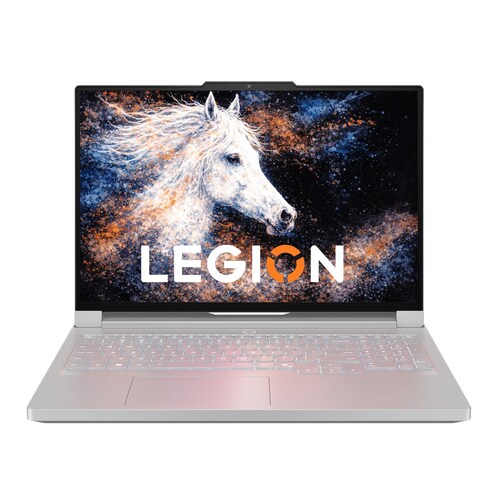
What Changed
Lenovo announced the Legion R9000P on July 16, 2026 as a 16-inch gaming laptop with a 240 Hz OLED display that covers more than 99% of the DCI-P3 color gamut. The panel comes from TCL and uses an inkjet-printed OLED process instead of the fine-metal-mask production route used by most current laptop OLED panels.
That difference is the real story. Fast 16-inch gaming laptops already exist, and 240 Hz OLED is no longer unusual on premium models. What is new here is the production method moving into a real commercial notebook. TCL also says the panel uses an RGB stripe subpixel layout, which should be a cleaner answer for text clarity than the color fringing some OLED layouts still show.
Why It Matters
This launch matters most to buyers who want OLED quality to stop being a premium-only feature. If printed OLED scales well, it could eventually push high-contrast screens into a wider part of the gaming laptop market instead of keeping them mostly in expensive halo systems.
There is also a clear comparison point. Against a typical 16-inch IPS gaming panel, the Legion R9000P keeps the high-refresh target while adding OLED-level black depth and contrast. Against today's premium OLED gaming laptops, though, the immediate benefit is still unproven because Lenovo has not shared global pricing or broad availability. Until those details appear, the cost advantage remains a theory rather than a confirmed buyer win.
Practical Takeaway
Buyers should watch this launch more as a display-market signal than as an instant must-buy gaming laptop. If later models with printed OLED arrive at lower prices than current 240 Hz OLED rivals, this machine will look like an important first step. If the panel stays limited to a small number of premium notebooks, then the story becomes much less meaningful for ordinary shoppers.
People who should care most are gaming laptop buyers planning a high-end purchase in the next year and readers tracking whether OLED can move down the price ladder. People shopping right now should still judge the Legion R9000P on final price, cooling, and regional availability before treating the panel technology as a major advantage.
Editorial process: Prepared from official source materials and edited under Notebook Center publishing standards.