
已发布新闻
LG Display Starts 1-120Hz Laptop Panel Production, but the Real Story Is Battery Time Under Light Work
March 22, 2026
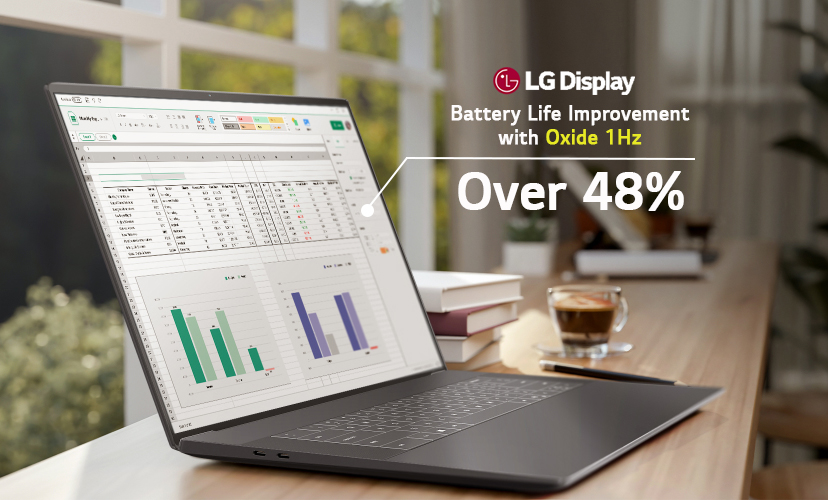
Summary: LG Display announced on March 22, 2026 that it has started mass production of a laptop LCD panel that shifts refresh rate from 1Hz to 120Hz. The practical buyer impact is longer unplugged use in light tasks, but the 48% battery claim is still vendor data and first supply targets premium models.
What Changed
LG Display said it started mass production of a laptop LCD panel with variable refresh from 1Hz to 120Hz. The panel drops to 1Hz when content is mostly static and rises to 120Hz for fast motion.
The company says this improves battery efficiency by up to 48% on one charge compared with existing solutions. Instead of keeping high refresh active all the time, the panel reduces redraw activity during static work.
LG Display also said the first customer is Dell, with supply planned for flagship XPS laptops that were shown earlier at CES 2026.
Why It Matters
The key angle is not maximum smoothness. It is lower wasted power during normal laptop use. For many buyers, long sessions of email, reading, and office documents are common, so deeper refresh-rate reduction can matter more than another small processor step.
There is a clear limit. The 48% result is a manufacturer claim, not an independent lab validation, and early rollout is limited to premium laptops instead of mainstream prices.
People who work away from outlets should care most, especially students, office users, and mobile professionals. Buyers focused mainly on gaming frame rates should treat this as a secondary benefit.
Practical Takeaway
If you are buying a premium thin-and-light in 2026, check whether the exact model includes a true 1Hz-to-120Hz panel, not only a high top refresh figure. For day-to-day battery life, this detail can matter more than AI branding.
Editorial process note: Prepared from official source materials and edited under Notebook Center publishing standards.